

Wise words from former Virginia Congressman Bob Goodlatte
In politics, timing is everything.
Timing also matters when it comes to the economy.
Virginia is approaching a pivotal moment in its economic strategy—and it is happening at exactly the wrong time.
Valuation Trend:
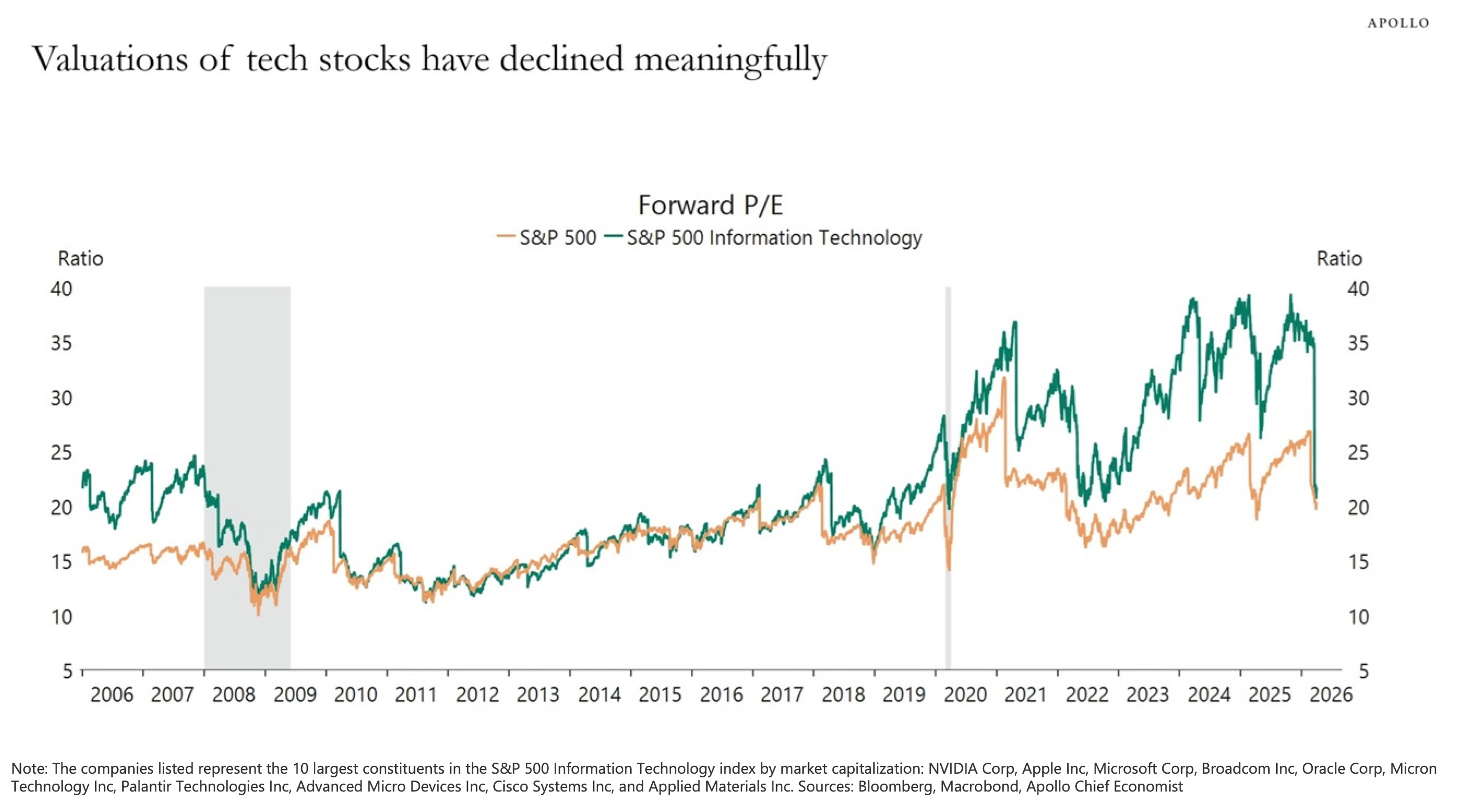

As global markets reassess the value of technology companies, one thing is becoming clear: the era of easy capital is over.
Investors are demanding discipline.
Massive spending on AI infrastructure—data centers, energy, and computing power—is now under scrutiny. In that environment, where companies choose to invest matters more than ever.
Three Engines of Growth
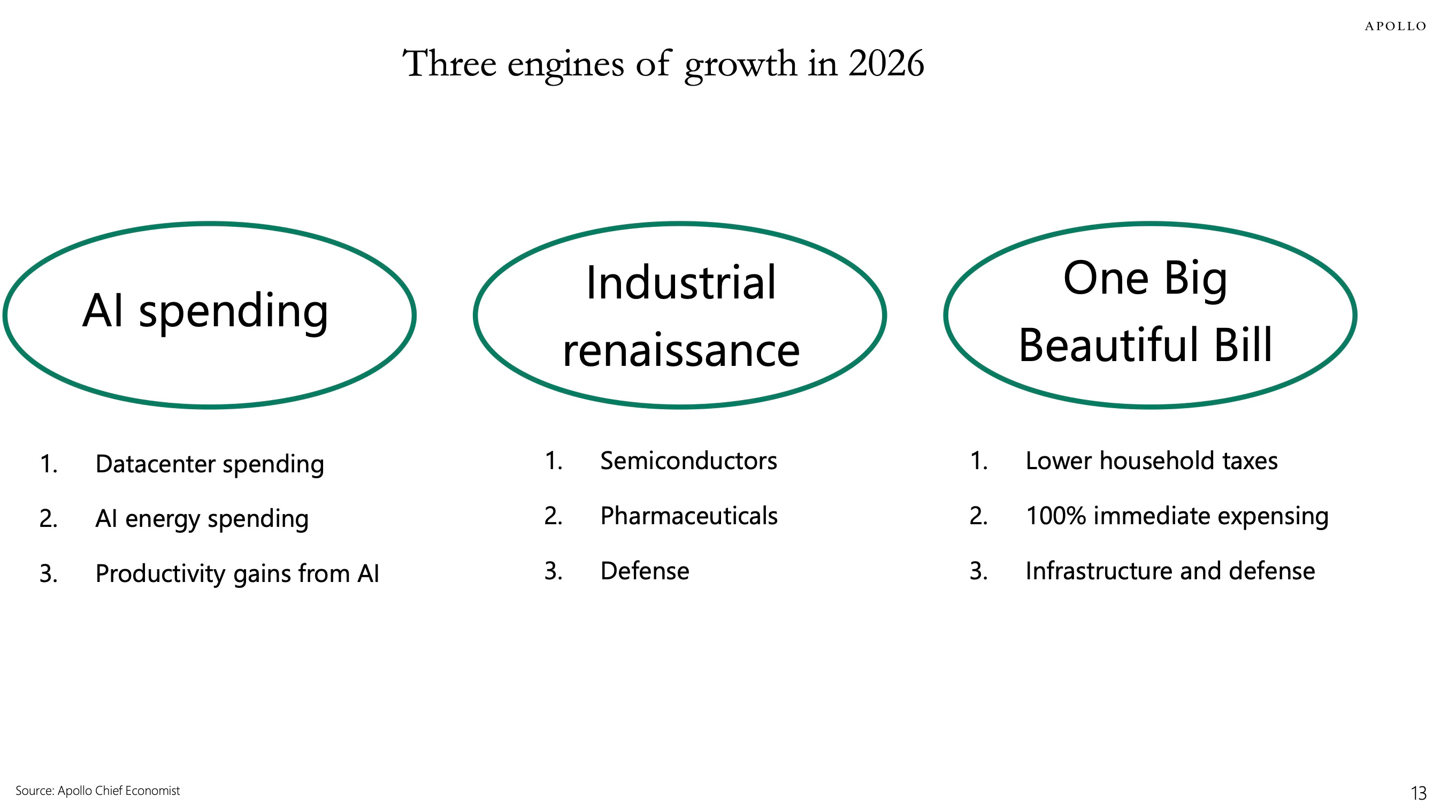
That is why Virginia’s debate over ending the data center sales and use tax exemption carries outsized risk.
For years, Virginia has built a quiet but powerful advantage.
It is home to the largest concentration of data centers in the world, anchored by Northern Virginia but extending economic benefits across the Commonwealth.
This is not just a tech story—it is a jobs, construction, energy, and local revenue story. Billions in investment have flowed into Virginia because the state offered something rare: predictability.
Predictability is a competitive advantage of Virginia. Why? Others don’t have it.
What do markets HATE? Uncertainty.
The sales and use tax exemption is often misunderstood. It is not a line-item expenditure in the state budget, nor is it a cash outlay.
It is a policy tool designed to attract capital-intensive investment that might otherwise go elsewhere. Increasingly, “elsewhere” is becoming more competitive.
Ending that exemption now—amid a broader political environment that appears skeptical of data centers—risks sending a clear message to investors: Virginia is no longer a stable place to deploy large-scale capital.
That signal matters.
When valuations fall and capital tightens, companies do not expand everywhere—they become selective. Projects get delayed. Locations are reconsidered. Once lost, those investments rarely come back.
The consequences would not be abstract. Local governments that have come to rely on data center-driven property tax revenues could face shortfalls.
Construction jobs tied to new facilities could decline. Supply chains that support these projects—from electrical contractors to equipment providers—would feel the slowdown.
Over time, Virginia could see reduced economic growth, even as policymakers pursue short-term revenue gains.
There is also a deeper irony.
Policymakers seeking to raise revenue by ending the exemption may ultimately shrink the very tax base they depend on.
Fewer projects mean less property tax, less income tax from workers, and less economic activity overall.
None of this is to dismiss legitimate concerns about land use, energy demand, or community impact. Those issues deserve thoughtful solutions.
We should have those conversations without disrupting what’s working.
Policy instability; however, is not a solution—it is a risk multiplier.
Virginia’s competitive edge has never been accidental. It has been built over time through consistency, infrastructure, and a reputation for getting big decisions right.
At a moment when the global tech economy is recalibrating, Virginia should be reinforcing that reputation—not testing it.